Which method would you think is the most popular in pricing strategies? Well, there is no clear answer to that question, but one thing is for certain. Anyone who has purchased a product has seen this charm pricing tactic, though: a price tag ending in .99. Would this make charm pricing one of the most common tactics in the ecommerce field? Let’s find out!
What is Charm Pricing?
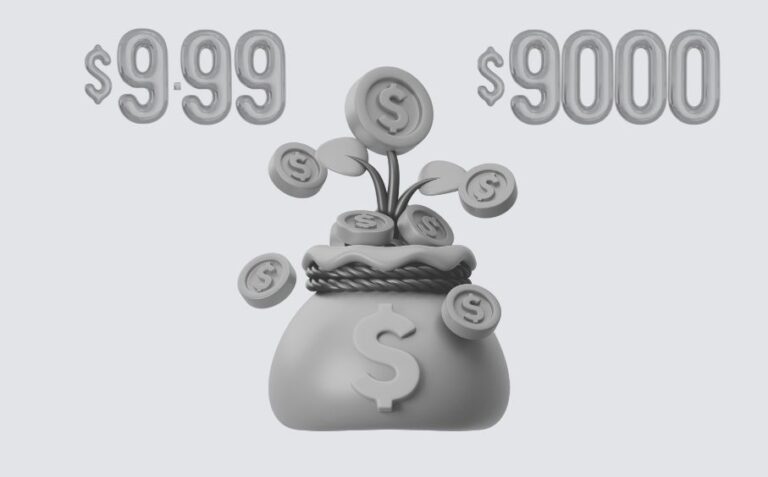
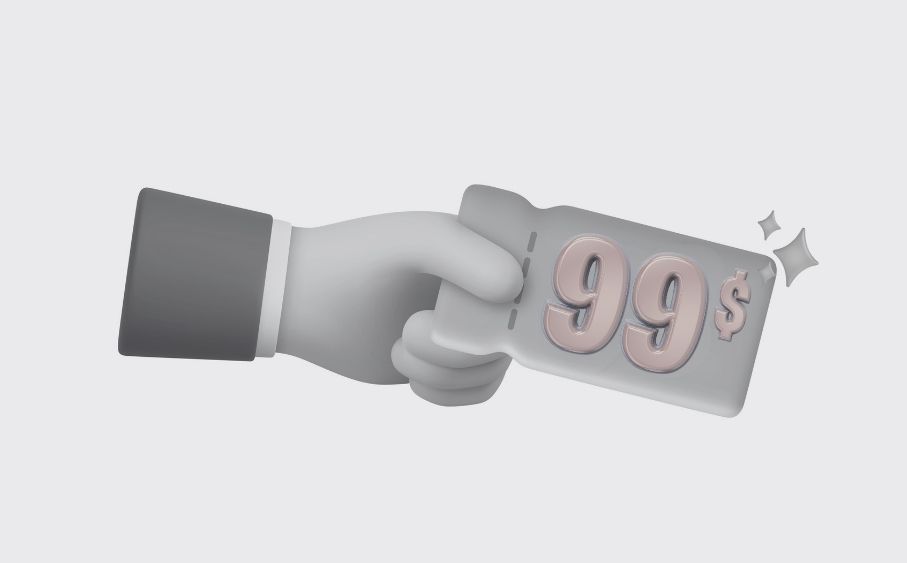
Charm pricing is a psychological pricing strategy that lets merchants influence consumers’ perceptions of product prices by setting prices to a decimal, specifically, .99 or .95 in some cases. The charm pricing strategy relies on cognitive biases that all humans have, which cause one to see the price of 49.99 as 49 something rather than perceiving it as closer to 50. While there isn’t a formula for this method, merchants aim to set prices with odd endings to convey affordability.
Importance of Charm Pricing
The strength of any psychological pricing tactic lies in understanding customer psychology and how any pricing placements would affect customers’ perceptions, nudging them to purchase products. All merchants try to set their prices as appealing as possible to outperform their competitors, and charm pricing is one of the easiest pricing strategies for that.
Odd prices tend to suggest the brand has set prices based on cost, which conveys that customers are getting value for their money. Careful placement of charm pricing, combined with other competitive pricing strategies, can generate profits and increase sales.

Advantages of Charm Pricing
Charm pricing methods work well in ecommerce, retail, consumer goods, and even restaurants, basically, anywhere people can make impulse purchases. For example, we assume that price-sensitive consumers are always looking for the best possible price, but when a retailer sets their price at $29.99, their attention is drawn to the left-most digits. This phenomenon is called the left-digit bias, and, as research by the American Marketing Association shows, it can make everyday items and consumables seem much cheaper than they actually are compared to even priced products.
Another advantage of this strategy is that you can mix and match it with several other strategies. For example, giant retailers like Walmart and Costco use discount or bundle strategies with charm pricing to attract price conscious customers in their supermarkets. Also, value-positioned brands can try to sell their items at the best price by using competitive pricing strategies combined with charm pricing on ecommerce marketplaces like Amazon and eBay.
Disadvantages of Charm Pricing
If you are a seller who has created a niche product catalog, or you believe your products’ value is on the high end, you may need to turn to another tactic: even pricing. If you want to position your brand as premium and your products can back it up, pricing your products with decimals can hurt your brand value. Because odd prices signal affordability, and like any luxury product or premium service, round numbers perform best because premium customers seek superiority.
Conclusion
According to the charm pricing definition, this method is more than just putting .99 at the end of a price tag; it is about signaling affordability and luring your customers. As a merchant, as long as your brand image and positioning are in line with your business objectives, using this method can be highly effective for increasing the volume of your sales. Retailers should pay close attention to the target audience’s psychology and test their prices constantly to get the best results out of this tactic.