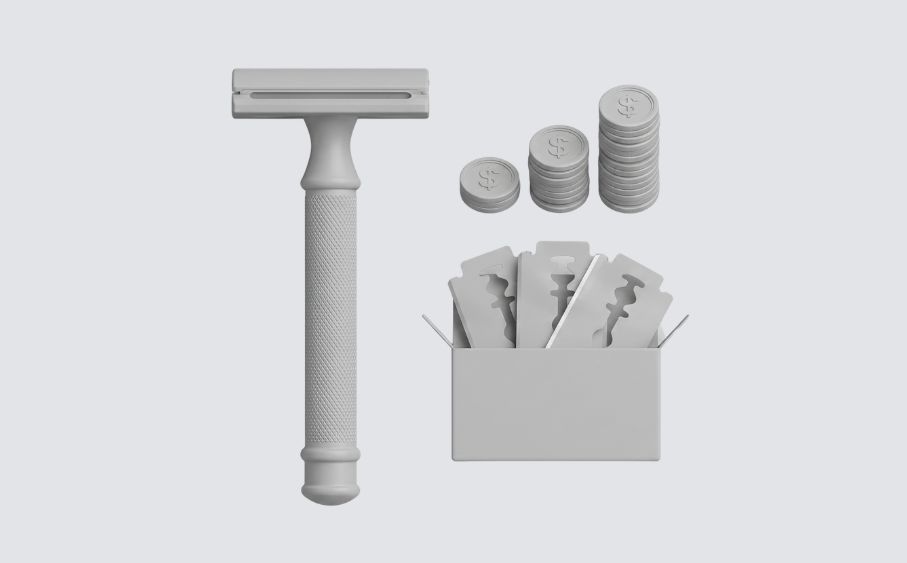
The razor blade strategy is when a company sells its main product at a low price, sometimes even at a loss, to make money from selling refills or consumable items that customers need to keep buying.
The name comes from razors, where the handle is reusable, but you have to replace the blades regularly to keep using it. There are lots of other razor blade strategy examples; however, maybe the most famous one is Gillette’s disposable blades, invented by a salesman named King C. Gillette at the beginning of the 20th century and that changed history for good, at least in defining recurring revenue items.
The key to razor blade strategy is selling the main product cheaply while making a bigger profit on the refills or replacement parts. Once a customer buys the main product, they generally have to keep buying the same brand’s refills. Companies often design their products so that only their own refills work, preventing customers from using cheaper alternatives and preserving the main revenue stream of this strategy.

The razor blade method is not only used for physical products anymore; SaaS freemium and subscription models are also kinds of digital versions of this strategy.
Real-World Examples
Besides Gillette, many other companies use this strategy, including:
Printers and ink: Companies like HP and Epson sell printers at low prices, but their ink cartridges cost much more.
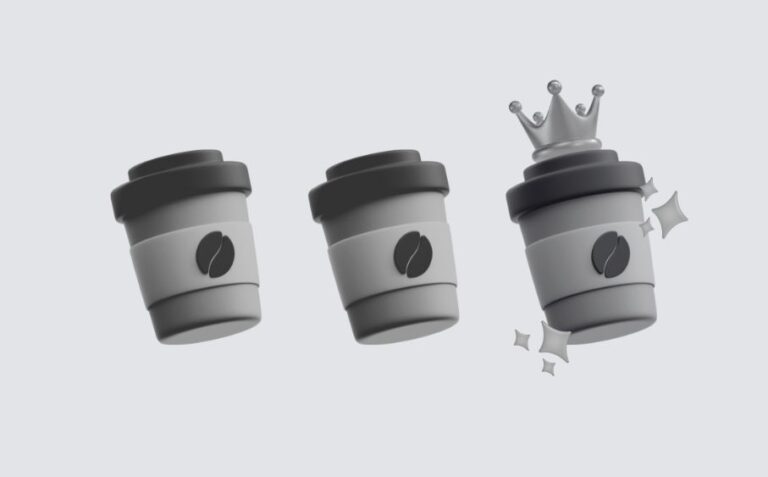
Coffee machines and pods: Nespresso earns most of its money from selling coffee capsules. According to the 2024 Coffee Makers Market Size, Share, Growth, and Industry Analysis report, over 4.5 million households globally subscribed to monthly coffee capsule delivery services. So, we can expect a potential growth in the industry.
Gaming consoles and games: PlayStation and Xbox sell their consoles for less but make more money from game sales and subscriptions.
Games and pay-to-win: Some games are free or low-cost, but players pay for in-game items to advance faster.
Electric toothbrushes and brush heads: If you buy an Oral-B toothbrush, you have to keep buying new brush heads regularly.
Phones & Services: Many telecom companies offer cellphones at low prices, but customers must sign a contract to use their service for a set period.
Why does this razor blade strategy work?
– Customers get locked into your products.
– It builds customer loyalty and brings in steady revenue.
– It makes it easier for people to try the product (Lower entrance cost)
Are there any risks?
Yes. As mentioned earlier, competitors or third-party companies can make their own versions of your refills, which can take away some of your sales. Many companies use intellectual property protection to prevent this.

Conclusion
The razor blade pricing strategy isn’t just a revenue strategy; it should also be considered as a well-designed business model. Your product design, brand story, and market reach must be taken into account while planning to use this strategy. Market leaders can use this strategy while relying on their power; however, new entrants are also using it to make their products more accessible to early adopters and increase their market reach.
For a retailer, building a steady revenue stream is crucial if your product and market are suitable for a razor-blade strategy. You might apply it and increase your retention rate while decreasing acquisition costs.