Marginal cost is the change in the expense of producing an additional unit of a product or providing an extra service. Sometimes it is also called incremental cost. The concept helps merchants to decide whether producing more affects their revenue, and how to price their products accordingly.
Marginal Cost Formula
To decide whether the additional products are worth the investment, you need to calculate a few things. First, you need to figure out how much more you want to produce and find out how much it would cost to produce all the items. Let’s say you have launched a sneakers line, but demand is high and you want to produce an additional 100 pairs. Let’s assume you have already produced 1000 pairs before, and it cost you $50,000. So, it costs you $50 to produce a single pair of sneakers, including your manufacturing and labor costs. Now it costs you $55,000 to produce 1100 pairs. Let’s put it in the formula.
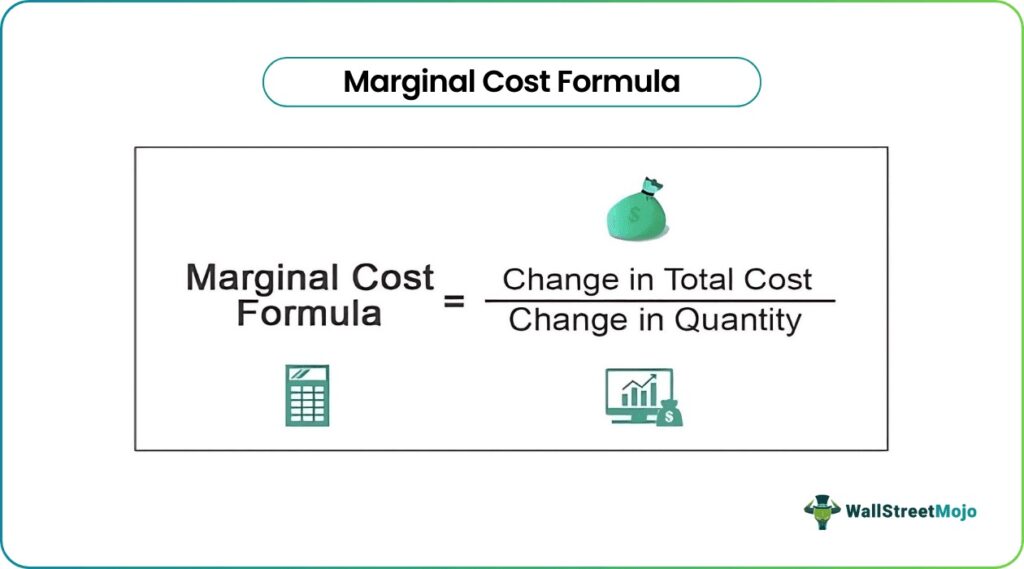
Marginal Cost is calculated by dividing the change in total cost by the additional units you want to produce.
Change in Total Cost = $55,000 – $50,000 = $5,000
Additional units you want to produce = 100
Marginal cost = $5,000 / 100 = $50; it is the same as producing the other 1,000 pairs, and if customer demand is there, it makes sense to produce more.
Sometimes acquiring extra doesn’t make sense. Let’s say you work with a small company that produces handcrafted mugs to sell in your kitchenware store, and you’ve agreed to buy 100 mugs for $3,000 from them. If the cost of producing 100 mugs is $3,000, you might assume producing 101 mugs increases the total cost to $3,030. However, the company says that they would charge you $40 for the extra mug. Then, the marginal cost of the 101st mug jumps to $40. We would expect the mug to cost $30; however, acquiring additional units can sometimes be more expensive, cheaper, or the same price. By calculating marginal cost, companies can measure how changes in production prices affect costs and profitability.

Importance of Marginal Cost
As we show in the example, how the business masters marginal cost affects its business decisions, such as how much to produce, how many customers to serve, product pricing strategies, and managing costs. Because marginal cost information can be useful when considering expenses while scaling up production, merchants can decide not to add additional units if the expenses are high, or they can choose to cover the necessary costs by adjusting their pricing strategies.
What’s more, companies can align their budgeting and financial plans with cost expectations. The way companies use marginal costs to optimize their production processes helps them maintain stable business health, thus helping them stay competitive as competition and demand increase.
What Influences Marginal Cost?
Production Costs Affect Marginal Costs
Expenses such as material, labor, and overhead costs have a direct effect on marginal cost. For example, if the costs of raw materials, wages, rent, and utilities increase, the cost of producing additional units will also go up.
Scaling Up Can Cut Costs
As production increases, businesses may receive discounts on bulk purchases of materials, lowering their production costs for the additional units. Also, technological advancements and improvements in manufacturing processes can reduce costs as production scales up.
Demand Fluctuates Throughout the Year
Higher demand during peak seasons might lead to higher raw material costs. For example, if you have a gift shop that uses flowers to craft your gift boxes, as you approach Valentine’s Day, the cost of flowers also increases. But customers are also willing to pay during this time for flower-related gifts, so shifts in consumer preferences can influence the costs of producing additional units.

Why Marginal Cost Matters
Cost Management: Understanding marginal costs helps businesses manage costs effectively. If the marginal cost is too high compared to the selling price, it could lead to losses on additional units.
Pricing Decisions: Businesses use marginal costs to set prices that cover costs and never sell below their production costs to have competitive yet profitable prices.
Marginal Cost in Ecommerce
Dynamic Pricing: It is important to implement dynamic pricing strategies. By understanding the cost of additional production and inventory, businesses can adjust prices to remain competitive. For example, if some of your products have higher demand, you can increase your prices, which signals that your production of that product needs to be scaled up.
Inventory Management: If you know your current inventory levels, you can decide whether to scale up or down production based on marginal costs and customer demand.
Pricing Strategy: Calculating the minimum price for additional units helps merchants stay above their bottom line and decide which price adjustments will deliver the best possible profit scenario. Also, understanding marginal cost helps businesses determine the optimal level of output at which they can sell their products at the best price point.
Production Decisions: Companies analyze marginal costs to determine if increasing production is financially possible. If marginal costs are high, they may choose not to scale up production.

Wrap Up
Marginal cost basically means the additional cost when additional production output happens, and it is important for managing production costs, setting prices, and increasing profits. Whether you sell in ecommerce or a brick-and-mortar store, knowing which factors affect marginal costs helps to achieve efficient cost management and competitive pricing.