Imagine a perfect ecommerce world. You launched your product line some time ago, and it has brought you a competitive advantage and generated significant revenue. As time passes, you can’t sell your products at the same price, because you find out your competitor has launched very similar products and sold them for cheaper. So, you had to offer a discount to lure price sensitive customers, and you were never able to raise those product prices again. Why can’t you keep achieving your desired profit margins, and what would you have to do to overcome this hurdle? To answer this, it is important to find out what causes your profits to vanish in the first place. This silent profit killer phenomenon has a name all online sellers must be aware of: Price Erosion. Well, let’s start with what is price erosion to further define the problem.
Price Erosion Definition
Price erosion occurs when the price of your product or service decreases over time due to factors such as customer demand, lack of product differentiation, technological improvements, and competitor pricing. While a single factor may cause/trigger it, in price erosion examples, these factors occur simultaneously.

Let’s take a customer electronic brand as an example. First, they are sensitive to technological improvements, customer demand is high and always available; however, the competition is equally high, and the brands need to implement competitive pricing strategies for their products. Imagine you are the first to introduce a new air fryer line, and demand goes through the roof. What would have happened? You would skim the market with a high price and take advantage of being the sole brand that sells this simple air fryer.
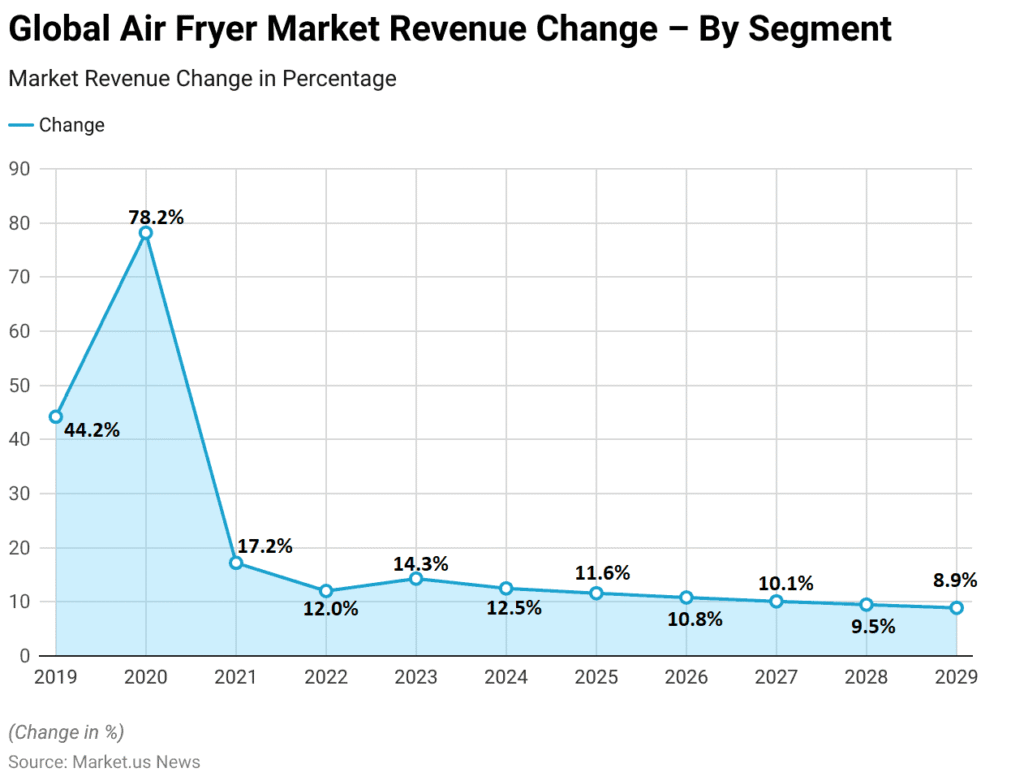
Then competitors introduce similar air fryers, forcing you to compete on price, and if you haven’t been investing in product improvements, new brands with advanced air fryer features enter the market. As a result, you would have to sell your product at a much lower price, and the product itself would lose its differentiation advantage.
Sometimes it is the resellers who start this chain event. One reseller starts undercutting your product prices, which hurts your brand equity. If that is the case, retailers need to monitor their resellers’ networks to prevent unwanted pricing actions or unauthorized resellers. Once you know which reseller is not following your recommended retail price policy, you can take action to protect your brand image.
Why do you need to care about Price Erosion?
This phenomenon causes you to lose your profits slowly. The more you discount, the more your customers expect you to give your products at much lower prices, eventually ruling out the option of raising your prices. Since the brand image and value propositions were destroyed at that moment, you may increase your sales volume at a loss, but only when you are discounting; otherwise, customers may prefer other options. This incident is also called commoditization, where your product or service attributes become commodities in consumers’ minds due to the lack of product differentiation.
How to prevent Price Erosion from Happening?
The first and most important step is try to differentiate your brand from your competitors to take control of your pricing strategy. You are, of course, not completely independent of your competitors; however, your brand image can give you a significant advantage in protecting your prices and profits. Let’s take Cheerios as an example: even though people may now prefer healthier foods or other cereal options, the nostalgia factor has allowed Cheerios to remain the most sold cereal brand with the highest revenue.

It would be best if you could differentiate your products enough to apply premium pricing, but once the race to the bottom starts, it takes time and effort to fix the situation. Elevating your branding and taking every timely, necessary pricing action at this point will give you a chance to push through price erosion. As we mentioned in the customer electronic brand example, price erosion is sometimes inevitable, but if you have a strong brand image, such as Apple, Nike, or Cheerios, you can minimize the negative effects of this phenomenon. Try to practice a campaign to elevate your brand’s position.
Conclusion
In conclusion, regardless of how price erosion may seem inevitable in competitive industries, merchants who monitor their products’ price changes, invest in developing their product catalog, and enforce pricing policies among their resellers can protect their brand image and their products from becoming commodities. So, merchants need to remember that the stronger the brand image, the more likely the customers are willing to pay for what their products convey, whether it is innovation, exclusivity, or value, and resist racing to the bottom.