

Customers are just as central to ecommerce as merchants are. How customers feel about your prices defines your business success. For example, if you decide to go for a 10% price increase without conducting market analysis, you might lose customers to competitors, right? That’s because merchants don’t always know how price changes affect their sales. But can they tell how sensitive their customers are to price changes? Well, grasping and measuring price sensitivity is about interpreting the response of customers to any price changes in products or services. This way, you can calculate how your customers respond to each price point and find the best possible pricing strategy that aligns with your business goals at the moment.
Price Sensitivity vs. Price Elasticity: What’s the Difference?
Well, you might think that the price sensitivity is the same as the price elasticity of demand, and even though these terms are sometimes used interchangeably, they are not quite the same. Price sensitivity refers to how consumers’ purchasing decisions change when prices change. Price elasticity of demand (PED), on the other hand, is an economic term for measuring the sensitivity of a product’s demand to changes in its price, calculated as the percentage change in quantity demanded divided by the percentage change in price.
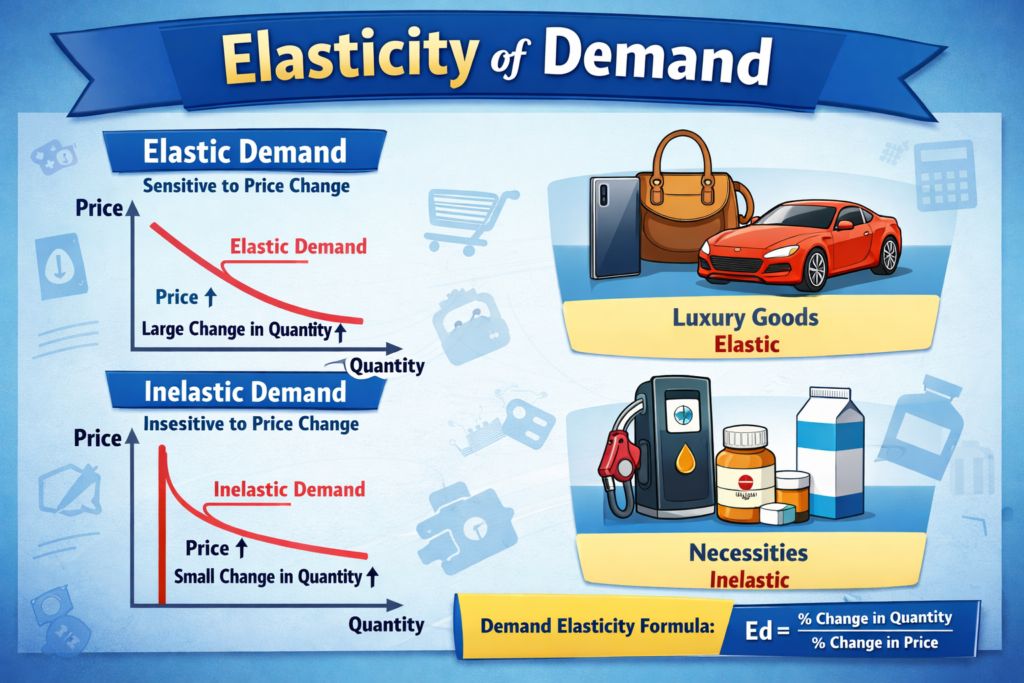
Let’s say you are a pet food store owner. You decided to increase the price of one of your best-selling products, a special formula for skin health. Then you realized the demand for your product barely changes, so you decide to maintain the higher prices. Since your customers are less likely to stop purchasing at this price point, your brand really benefits their dogs through your product’s value, and this specific product has an inelastic demand. But how could other merchants also calculate the optimal price increase?
Formula / Van Westendorp Price Sensitivity Meter
Actually, an economist, Peter van Westendorp, has developed a sensitivity meter that helps merchants determine optimal prices.
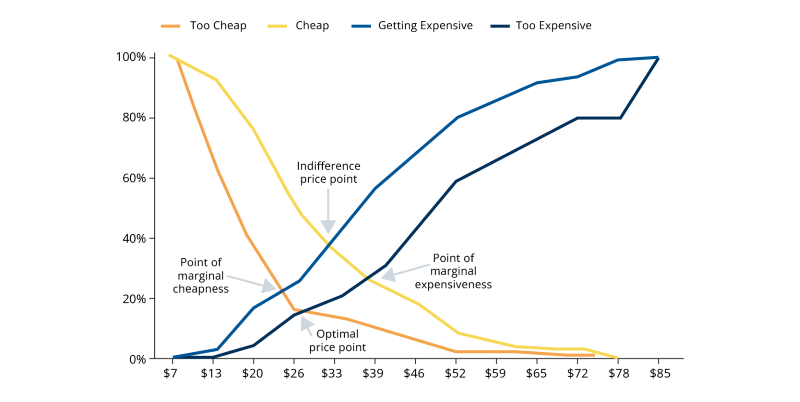
A Van Westendorp survey asks respondents to submit a price for each of these four questions:
– At what price would this product be so expensive that you would not consider buying it? (too expensive)
– At what price would this product feel expensive, but you would still consider it? (exp. but acceptable)
– At what price would you consider this product a bargain or good value? (bargain price)
– At what price would it be so cheap that you would question the product’s quality? (too cheap)
Let’s Put this Price Sensitivity Formula into Calculation:
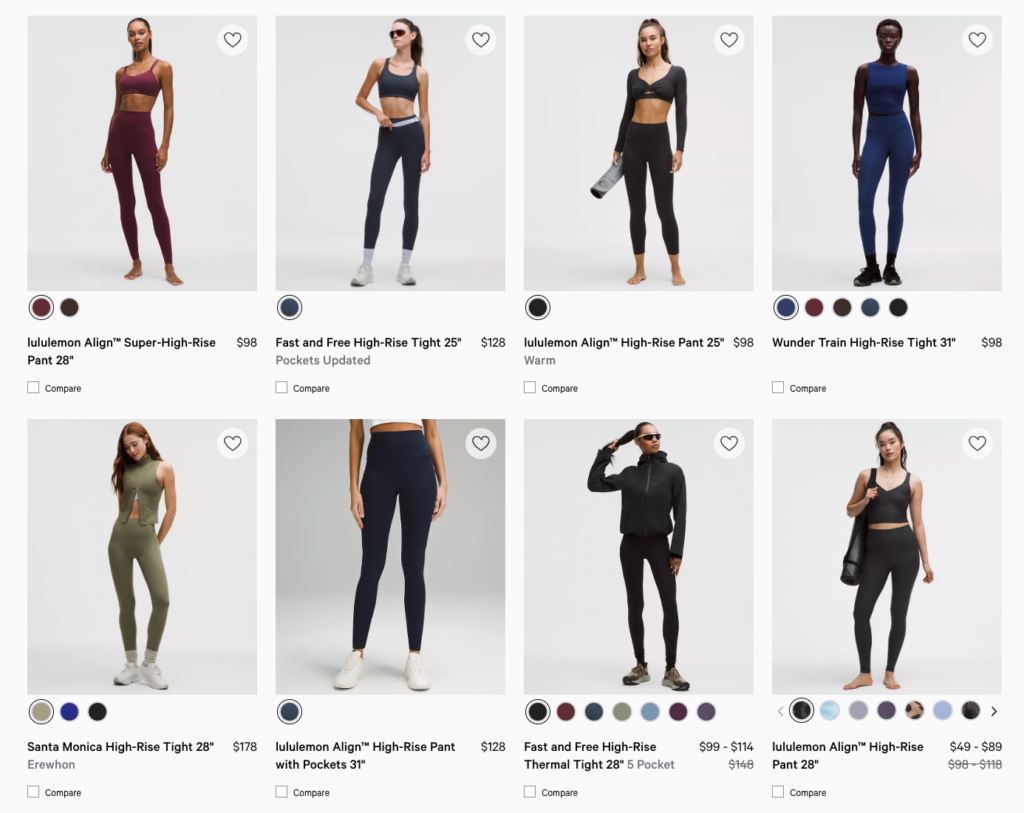
For example, let’s imagine you have a store that sells premium yoga leggings just like Lululemon. After you have conducted the survey, the results might show that customers find it too expensive to pay above $130, acceptable but pricey between $90–130, a bargain at $60–90, and suspiciously cheap below $30. This tells you your optimal price range sits between $60 and $100, with the sweet spot likely around $80–100 which is high enough to signal quality, low enough to nudge customers to purchase. And pricey products priced between $100–130 can be your market trademark, conveying exclusivity.
Beyond the Van Westendorp method, ecommerce retailers can measure price sensitivity with A/B price testing. For example, they can show different price points to each customer segment to compare which conversion rate performs better. As you can see, tracking conversion rates after a price change can provide practical signals about your customers’ sensitivity to price changes. This way, you can achieve higher accuracy in your pricing decisions over time by monitoring your conversions.
What Factors Affect Price Sensitivity?
When it comes to finding out which factors play a role in price sensitivity, having a complete understanding of your target market and how much each customer is willing to pay is important. Here are some of the factors that might affect the price sensitivity:
Product type: Is the product a necessity, or does it have many alternatives? When a product becomes a necessity, it is harder to be sensitive to price changes, since it is harder to replace it. For example, purchasing medications is different from choosing your next fridge, because you can choose from a vast range of products, whereas with medications, you can choose only between options. So, the number of substitutes increases the price sensitivity.
Brand perception: A stronger brand image reduces price sensitivity. That is because customers believe purchasing the product benefits them more than the product itself. Buying an iPhone is more than purchasing a product; it’s about finding a spot in the Apple ecosystem.
Purchase frequency: If you have loyal customers, you might increase your prices and still retain your customer base. However, the opposite can also be true. Your brand can offer price/performance products, just like Gillette did back in the day. So, it may be harder to increase your prices while maintaining your market share at the same time.
Price comparison: We all know that customers are becoming increasingly price sensitive each day. That is because, one, in ecommerce you can easily compare prices; two, since merchants use price comparison software, they race to offer the best deal possible, which makes customers highly sensitive to any price change.
Economic conditions: During inflation, price changes affect customers more. Given economic uncertainty, people tend to keep their spending to a minimum.

High vs. Low Price Sensitivity: Real Ecommerce Examples
Customers’ reactions to price changes are influenced by a product’s competitive nature. Some products are highly sensitive, such as electronic devices (TVs and home appliances), furniture, and grocery items; in general, products with elastic demand fall into this category. Customers can easily switch brands since the competition is intense. On the other hand, customers are less price-sensitive to price changes for inelastic-demand products like luxury goods (jewelry, watches, cars, designer clothes, etc.), medications, gasoline, or electricity. In this case, it is harder to find an alternative to gasoline.
Sometimes the price sensitivity depends on how brands position themselves in their market. For example, someone who wants to buy a Rolex or a Patek Philippe watch is unlikely to be affected by a price change. However, a potential swatch buyer can react to an expensive price tag. So, for luxury items, price changes may not cause them to lose customers, but if the brand is already in the inexpensive category, increasing prices becomes harder.
How to Use Price Sensitivity Data in Your Pricing Strategy
The main point of measuring price sensitivity is to find the optimal price range for your products. There are also a few other points that can help your business gain an advantage in finding out the optimal price range when deciding on the best pricing strategy. So, first, you can segment your products based on which ones your customers are willing to pay more for. Consequently, now you have the data of which products you can offer a discount on often, and which ones don’t need constant promotion.
Also, offering optimal prices by analyzing price sensitivity is lacking without a price tracking process, which is especially important for elastic demand products, where competitor prices influence your customers’ willingness to buy. Because elastic demand products require merchants to keep up with prices and respond to competitors’ pricing moves, making a price tracking tool, like Prisync, a necessity for remaining competitive in ecommerce.
How to Reduce Price Sensitivity for Your Products
As we mentioned, a stronger brand image is key to reducing price sensitivity for your products. Brands constantly work to refine their brand positions to increase market share in line with their business goals. And if the goal is to strengthen the brand image to increase prices confidently, it makes sense to offer certain benefits to your customers, like the feeling of exclusivity when purchasing a Hermes bag or the prestige that comes with using an Omega watch.
Another point is to differentiate your product value by offering necessity-like qualities, such as waterproof equipment for your Norwegian customers, so they tend to choose you over competitors. So, providing a value and promoting that benefit might increase your market share.
You can also offer customer loyalty programs like Sephora does and keep your customers coming back by providing additional benefits, making it harder for them not to shop from your stores.
Lastly, if you plan to increase your prices, you might want to soften the price change for your customers by offering product bundles. This way, you can also get rid of the excess stock of your unpopular products.

Conclusion
Understanding how your customers perceive your prices is the ultimate signal for staying ahead in ecommerce and you need to constantly monitor your market to set smarter prices, protect your margins, and make more confident pricing decisions. How you act based on price sensitivity, market dynamics, and competitors’ moves helps you with those pricing decisions by giving you a better understanding of your target customers. And when you combine that understanding with Prisync’s competitor data, you ensure you set optimal prices for your products.